
The Art of Light: How Architectural Lighting Shapes a Space
Foxx Light · 11 September 2026
Discover how architectural lighting transforms spaces through light, shadow, colour temperature, and carefully designed layers of illumination. Learn why the right lighting can influence how architecture, materials, and interiors are experienced.
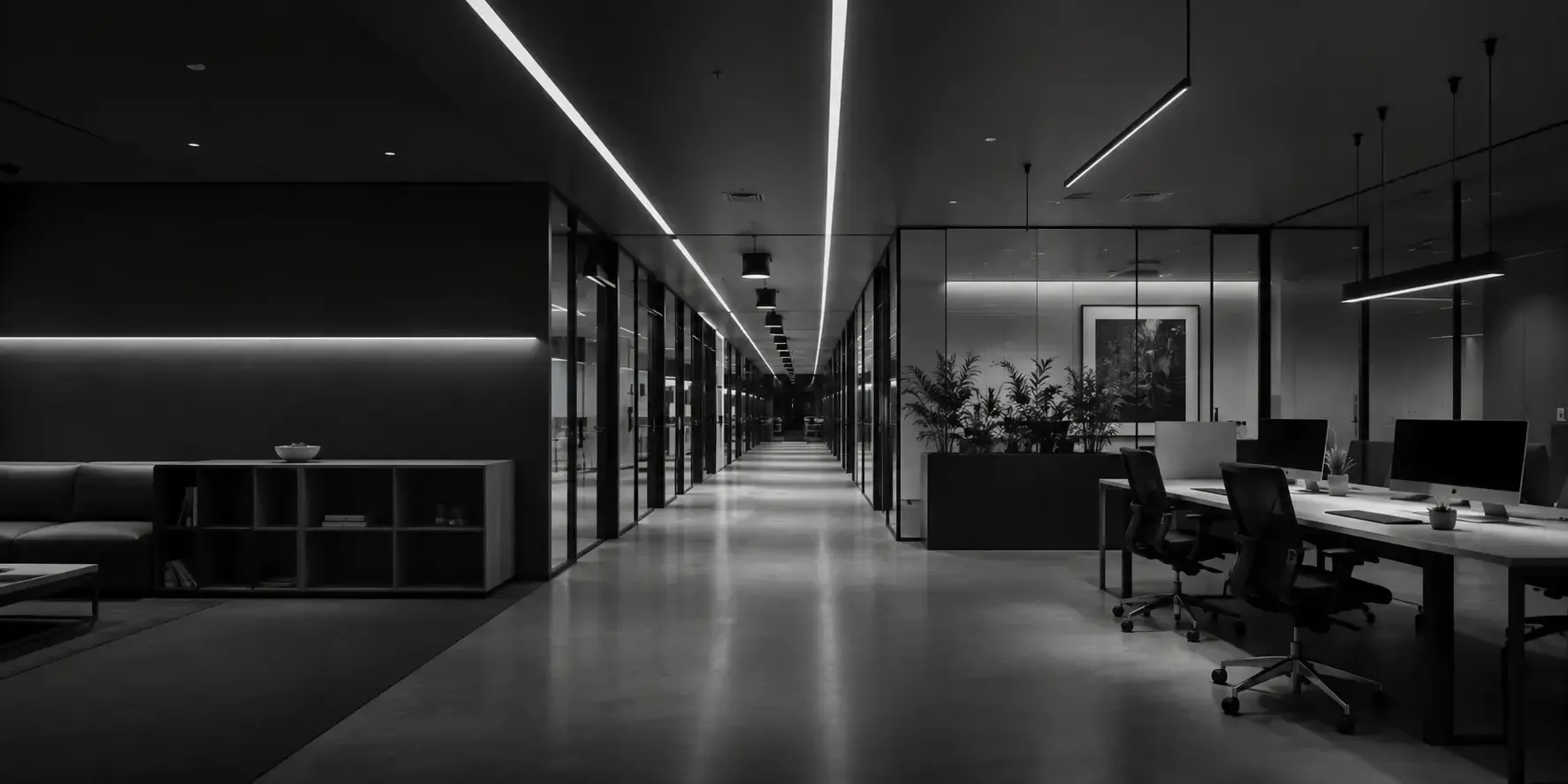
The Art of Light: How Architectural Lighting Shapes a Space
Lighting is often treated as the final layer of a project—the element added after the architecture, furniture, and finishes are already in place. But great lighting does far more than illuminate a room.
It defines atmosphere, directs attention, reveals materials, and can completely change the way a space is experienced.
In contemporary architecture and interior design, light has become an essential design element in its own right.
Light Is More Than Illumination
A well-designed lighting scheme does not simply make a space brighter. It creates hierarchy.
A narrow beam can draw attention to an artwork or architectural detail. A soft wash of light can emphasize the texture of a stone wall. Recessed linear lighting can create a subtle visual rhythm, while concealed sources can make ceilings and surfaces appear to glow from within.
The objective is not always to see the light source.
Sometimes, the most successful lighting is the light you notice without noticing where it comes from.
Creating Layers of Light
One of the fundamental principles of architectural lighting is layering.
Rather than relying on a single source, designers can combine several types of lighting to create depth and flexibility.
Ambient lighting establishes the overall illumination of a space.
Accent lighting introduces focus, highlighting artwork, furniture, materials, or architectural features.
Task lighting provides functional illumination where precision and visibility are important.
Decorative lighting adds character and can become an architectural or visual statement.
When these layers work together, a space becomes more dynamic. It can feel intimate in the evening, energetic during the day, or completely transform its character depending on how the lighting is controlled.
The Importance of Colour Temperature
Colour temperature plays a significant role in how people perceive a space.
Warmer light can create a sense of comfort and intimacy, making it particularly effective in hospitality, residential, and lounge environments. Cooler or neutral tones can create a cleaner, more focused atmosphere and are often suited to workplaces, retail environments, and contemporary architectural settings.
Choosing the right colour temperature is not simply about selecting a number on a specification sheet. It is about understanding the materials, purpose, architecture, and emotional character of the space.
Designing With Shadows
Good lighting design is also about darkness.
Shadows provide contrast, depth, and dimension. Without them, a space can become visually flat and overexposed.
Architectural lighting can be used to deliberately control where shadows appear—revealing the geometry of a structure, emphasizing textures, or creating moments of visual calm.
The relationship between light and shadow is what gives architecture its sense of depth.
Lighting as an Architectural Language
Every architectural project has a story.
Lighting can reinforce that story.
In a gallery, it can guide visitors through a curated experience. In a hotel, it can establish a sense of luxury before a guest even reaches the reception desk. In a retail environment, it can influence how products, colours, and materials are perceived.
For architects and designers, lighting therefore becomes another language through which a space communicates.
The fixture may be physical, but its impact is emotional.
Designing for the Future
Modern lighting design is also becoming increasingly intelligent.
Dimmable systems, sensors, tunable white technology, and integrated controls allow lighting to respond to different times of day, activities, and user requirements.
This creates opportunities for spaces that are not static, but responsive.
The future of architectural lighting is not simply about producing more light. It is about producing the right light, in the right place, at the right moment.
The Final Element That Defines the Space
Architecture gives a space its structure. Materials give it texture. Furniture gives it function.
Light brings everything together.
When thoughtfully designed, lighting can make a ceiling feel higher, a corridor feel longer, a material feel richer, and an ordinary room feel extraordinary.
That is the art of architectural lighting—not simply illuminating what exists, but shaping how it is experienced.